
Bee removal in Canberra. Wasps handled too — safely, fast.
Bee removal and bee pest control in Canberra — swarms relocated humanely, wasp nests treated same-day. Licensed, family-safe, across the ACT. Identification first, then protective-gear treatment and a written report — with swarms referred to a beekeeper wherever relocation is the right call. Family-safe product, fully licensed technicians, upfront written quotes.
Three species. Three different responses.
The right response starts with the right identification. European wasps, paper wasps and honey bees each behave differently around the home — and the treatment, timing and equipment for one species will be wrong for the others.
European Wasps
The Canberra species worth knowing by name. Bright yellow and black, narrow waist, smooth body — and they nest underground in lawn, compost heaps, retaining-wall cavities and old animal burrows. Disturb the nest and you'll get a rapid, sustained attack from many guards at once.
- Annual nests can hold several thousand workers
- Multiple entrances — never block one yourself
- Same-day dispatch during wasp season
Paper Wasps
Open, umbrella-shaped nests under eaves, on fence tops and inside meter boxes. Less aggressive than the European wasp, but still capable of multiple painful stings when the nest is disturbed — especially during the late-summer colony peak.
- Open comb nests — visible from ground level
- Treatable during daylight hours
- Preventive spray around eaves and pergolas
Honey Bees & Native Bees
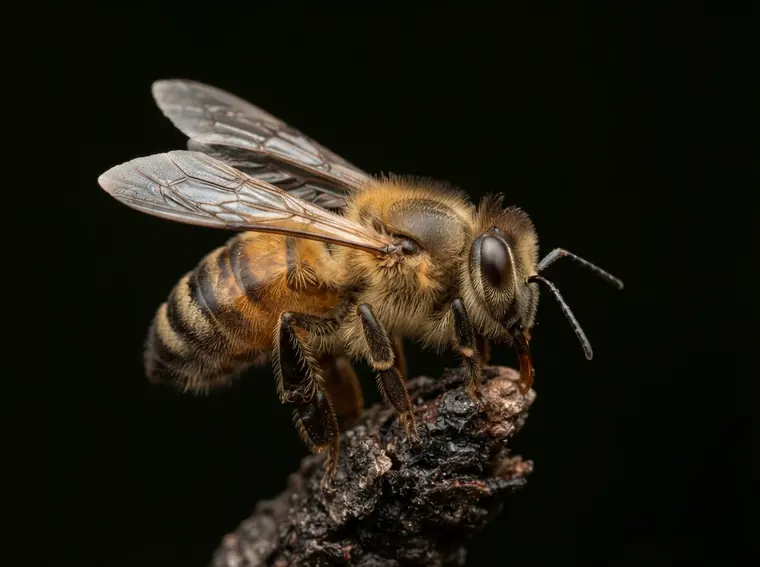
European honey bees and our native pollinators are essential to the local environment — and wherever we can safely refer a swarm or hive to a registered beekeeper, we will. We step in only when the swarm is genuinely a risk and there's no relocation option.
- Swarm referral to local beekeepers first
- Treatment only when relocation isn't viable
- Documented identification on every visit
Same team.
Written report.
Same technician where possible, a written report after every visit, and family-safe product used throughout — that's the standard on every job, not just the ones we quote carefully.
Three steps from sighting
to sealed site.
Same documented process on every wasp and bee visit — clear identification, full protective-gear treatment, and a scheduled follow-up inside our guarantee window.
Identification
On-site identification of the species and the nest location, including estimated colony size and the agitation level on the day. Photos and notes go into your written report so the right treatment is matched to the right risk.
Treatment
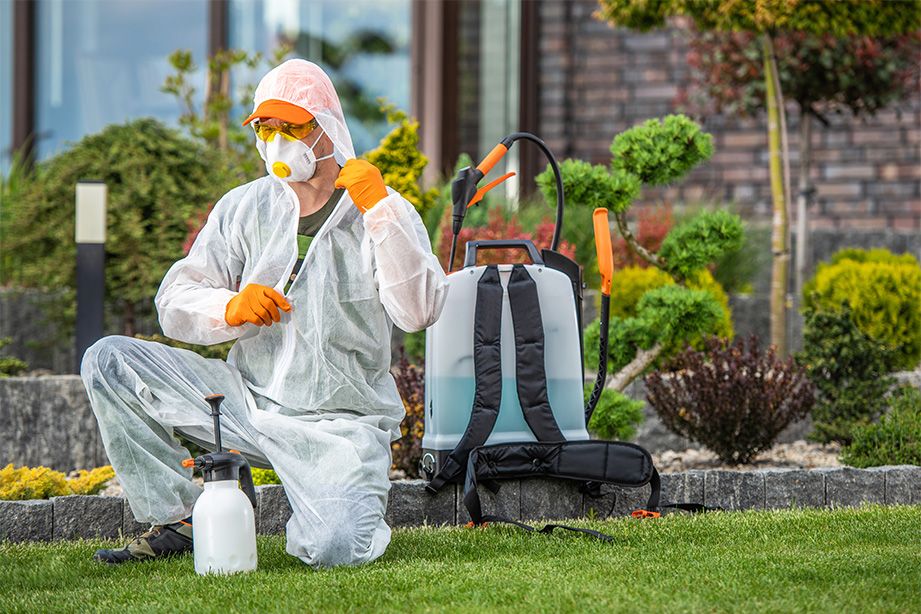
Targeted application in full protective gear, including respirator, gauntlets and bee suit. For active nests near play areas, schools or commercial premises we offer after-hours and weekend dispatch so families and staff are clear during the work.
Prevention
After removal we seal the nest site where possible — filling old burrows, screening roof-void and meter-box gaps, treating eaves as required. A scheduled follow-up inside the guarantee window confirms the colony is gone.
Full protective equipment
Every wasp and bee visit is carried out in a full bee suit with respirator, gauntlets and eye protection. We never treat without it — and we never ask a household to handle an active nest before our arrival.
A wasp nest today,
gone by tomorrow.
Active nest today, sealed and treated by the next visit, with written follow-up to confirm the colony is gone. Family-safe product, fully licensed technicians, upfront written quotes — from the same local Canberra team trusted for general pest control across the ACT.
The questions Canberra households ask first.
Do you relocate bees rather than killing them?
Where possible, yes. Bee swarms and hives are relocated rather than destroyed, and swarms are referred to a beekeeper wherever relocation is the right call. European wasp nests are treated and removed instead, because wasps don't relocate safely.
How fast can you get to a wasp nest?
Same-day response across Canberra in most cases during wasp season, with after-hours and weekend dispatch available for nests near play areas, schools or commercial premises. Nests get more aggressive and harder to treat safely the longer they are left.
How do I tell a European wasp from a bee?
European wasps are bright yellow and black with a narrow waist and a smooth body, and they nest underground — in lawn, compost heaps, retaining-wall cavities and old animal burrows. Identification happens on site before any treatment, because the timing and equipment for one species is wrong for the others.
Should I block the nest entrance myself?
No. An annual nest can hold several thousand workers and there are usually multiple entrances, so blocking one provokes the colony without stopping it. We never ask a household to handle an active nest before we arrive.
What protective equipment do your technicians use?
Every wasp and bee visit is carried out in a full bee suit with respirator, gauntlets and eye protection. We never treat without it.
Broader scope.
Wasps and bees usually arrive with the warmer months — the same period when general household pest pressure climbs. Pair a wasp callout with our residential or commercial visit for full seasonal cover.
Residential
Family-safe wasp, bee and general pest treatment for Canberra homes — same-week availability, written reports, and the same local technician where possible.
Commercial
Compliant stinging-insect programmes for hospitality, schools, childcare and strata — discreet after-hours service and audit-ready reporting on request.
Book an Inspection
Tell us where the activity is happening and we'll get back within one business day with a written quote and the next available visit.
Got a wasp nest?
We'll be there today.
Tell us about the activity — same-day response across Canberra and the ACT during wasp season. Written quote, written report, family-safe product, full protective gear. From a fully licensed local team with a 100% satisfaction guarantee.