
Bird control,
handled humanely.
Feral pigeons fouling solar panels and signage. Indian mynas nesting in roof eaves and starlings in commercial signage. The standard approach is humane exclusion — spikes, netting, optical deterrents, roost modification, no poison, no lethal control. TCB Pest Control assesses the species, the roost and the entry points, then designs an exclusion programme with written records on every visit. Family-safe product for residential settings, audit-ready reporting for commercial.
The birds causing problems in Canberra.
Four species account for almost every bird-control call we get in Canberra. The plan that works for pigeons is wrong for mynas — treatment is built around what's actually roosting on your building.
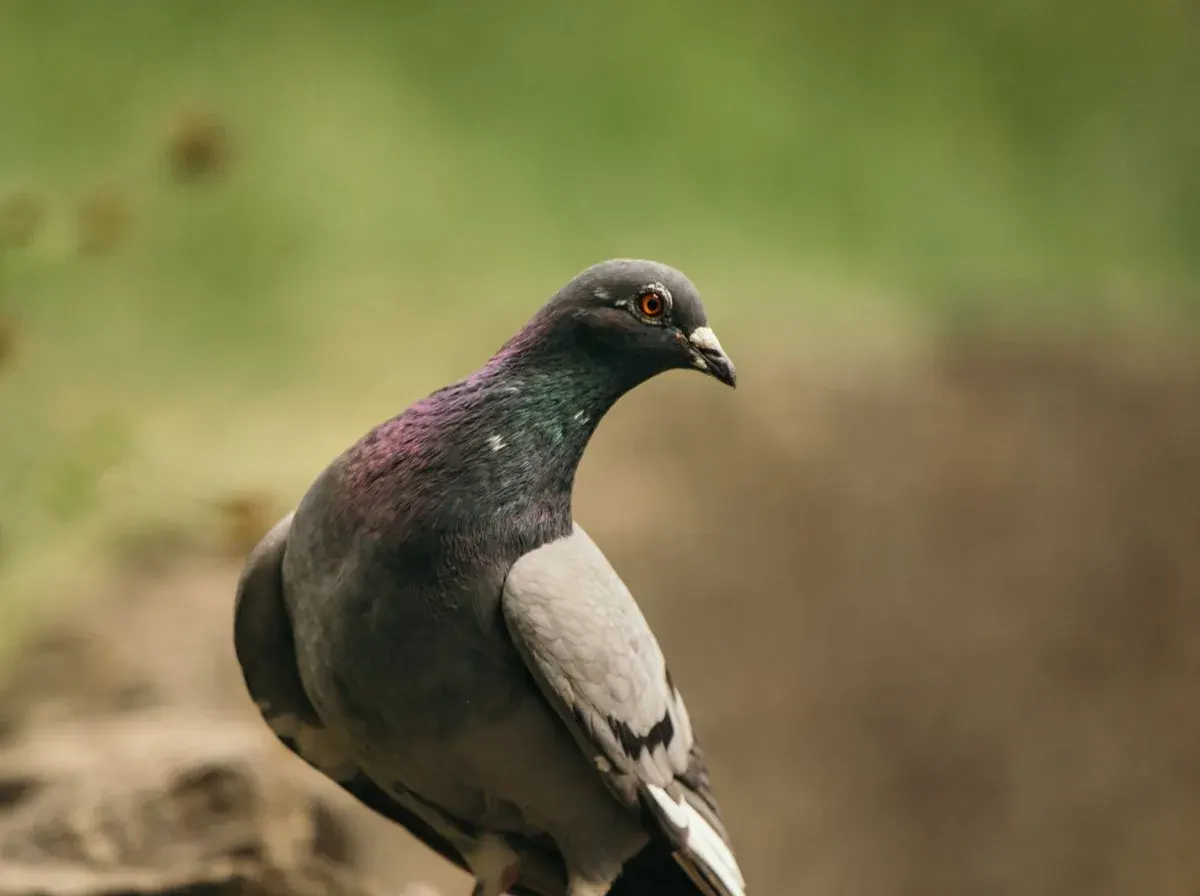
Feral pigeon
The most common problem-bird around commercial sites and the inner-city — fouls signage, HVAC equipment, solar panels and walkways. Breeds prolifically; a single pair can become a roost of dozens in a year.
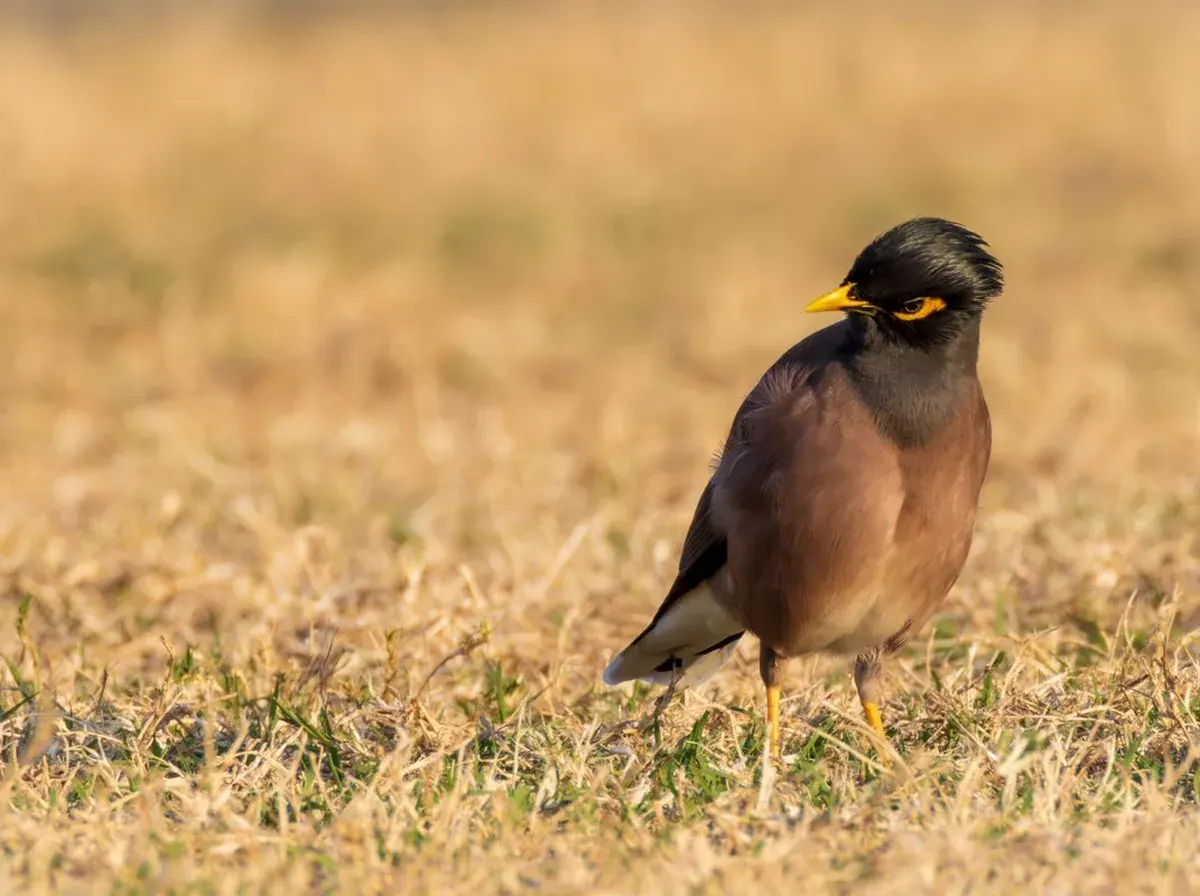
Indian myna
The aggressive introduced species — out-competes native birds for nesting hollows. Nests in roof eaves, signage, commercial letter boxes and air-conditioning units. Hardy and adaptable.
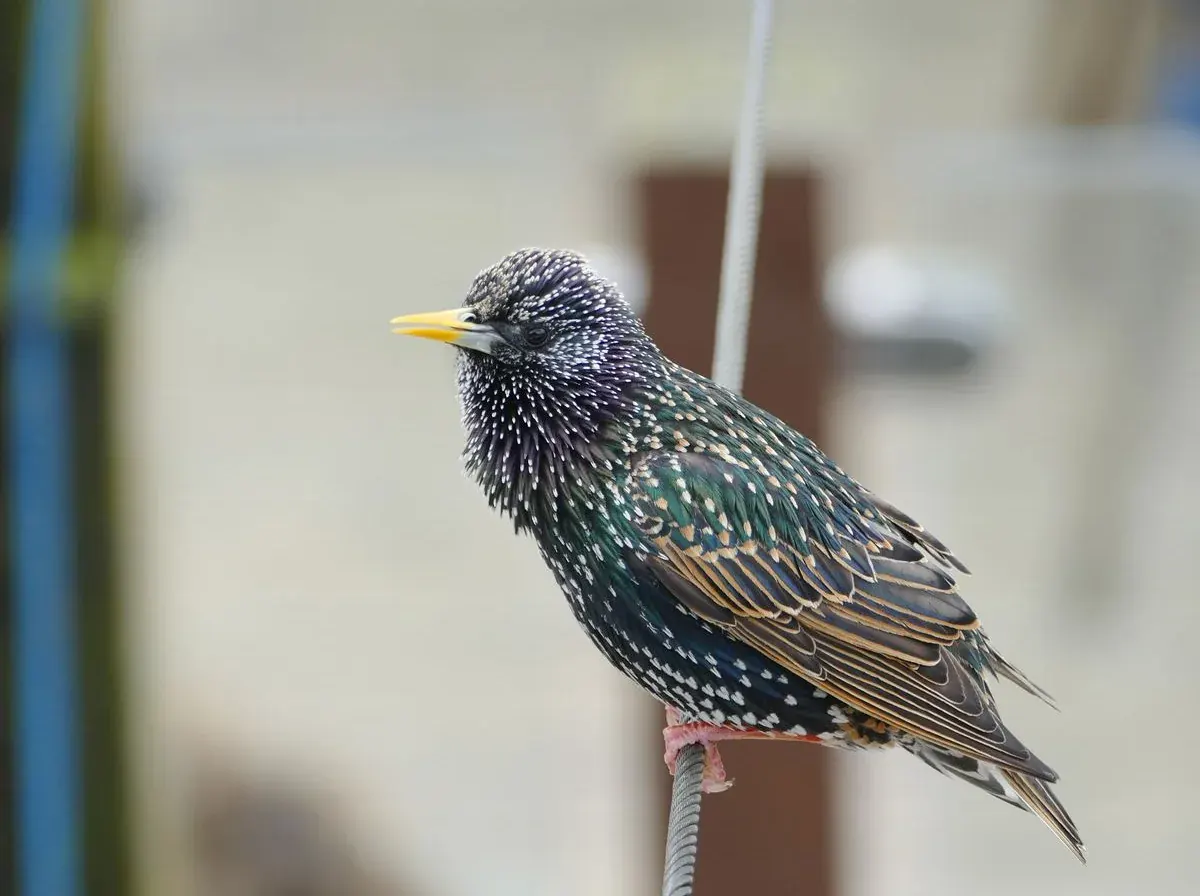
Starling
Highly social, often roosts in warehouse signage, roof spaces and loading bays in winter. Loud, messy and a food-safety concern around commercial kitchens.
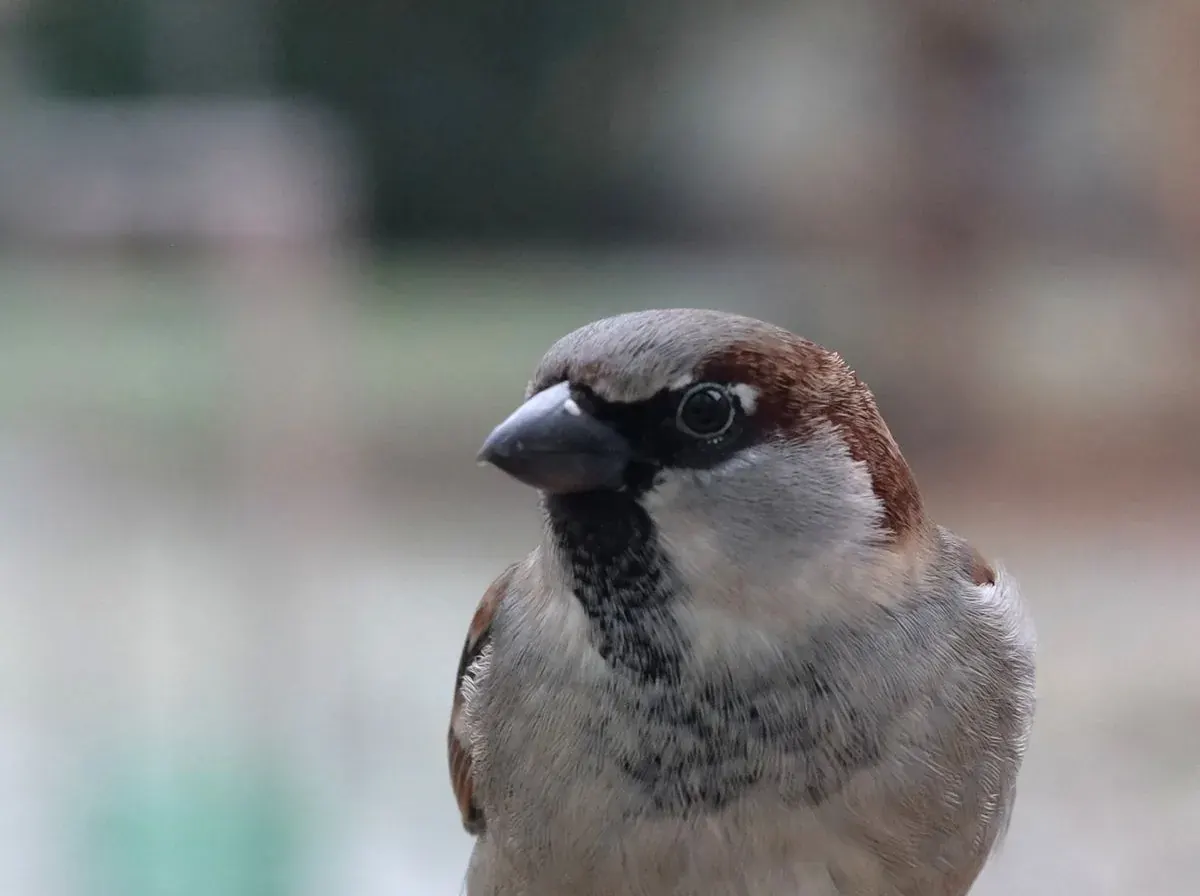
Sparrow
Settles in roof voids, behind signage and around HVAC equipment. Less aggressive than the myna but the same fouling and noise concerns at scale.
Same team.
Written report.
Fully licensed, fully insured, and locally based — our technicians live and work across the ACT, so they know what's normal for the season and what needs a second look.
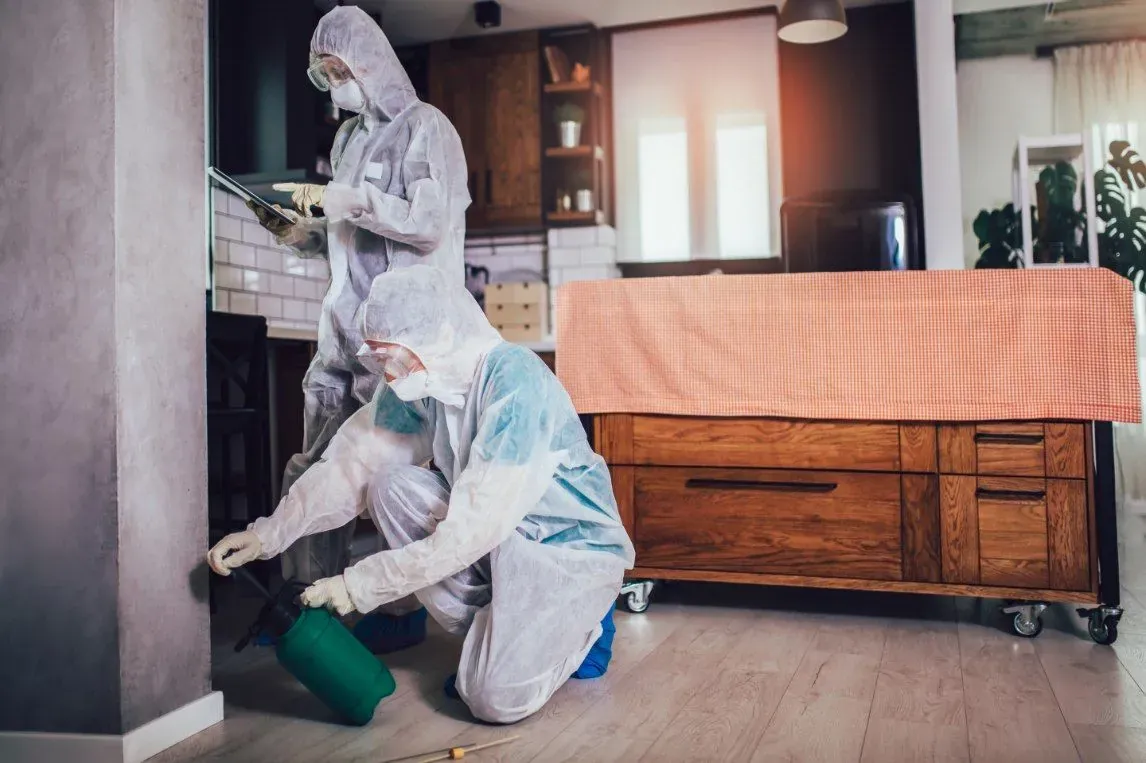
Four steps from assessment to exclusion.
Every bird job follows the same four-step rhythm — assess the species and roost, select the right exclusion product, install it to commercial-grade standard, then monitor and maintain. Backed by our 100% satisfaction guarantee and a written report after every visit.
Species & roost assessment
We identify the species, the roost location and size, and the entry points into the building. We tell you what's there before any work starts. Written assessment included.
Exclusion method selection
Spikes for narrow ledges, netting for larger cavity entries, optical deterrents where harp-style devices suit the location, bird wire for signage. Selection is species- and site-specific.
Installation
Commercial-grade stainless-steel or polycarbonate spikes, UV-stabilised netting, weather-rated deterrents — installed by trained technicians with safe-access equipment where required.
Monitoring & maintenance
Annual check-ins to confirm the exclusion is holding. Add or reposition deterrents if the birds try a new roost location. Written reports on every visit.
Why humane exclusion is the only answer.
Legally required in Australia
Native birds are protected under state and federal wildlife acts. Introduced species like pigeons, mynas and starlings can be excluded but not poisoned. The legal framework is clear — exclusion is the standard approach.
Lethal control makes it worse
Removing adult birds without sealing the roost creates an attractive void — actually accelerates breeding because food and shelter remain. The exclusion programme is what works.
Sites where bird pressure is most common.
Bird pressure shows up at the same building types across Canberra — anything with ledges, eaves, signage and a steady food supply is on the list. Here are the four most common sites we protect.
Hospitality & retail
Cafés, restaurants, pubs and shopping strips with pigeon pressure on outdoor seating and signage. Discreet service, audit-ready reporting.
Warehouses & logistics
Starling and pigeon roost pressure on warehouse signage, loading bays and HVAC. Loading-dock exclusion programmes are common.
Strata & apartment
Multi-storey buildings with pigeon and myna nests in roof eaves, balconies and air-conditioning units. Body corporate coordination available.
Schools & childcare
Indian myna roosts in school grounds — the species is aggressive to native birds. Sensitive scheduling and family-safe methods only.
The questions operators and householders ask first.
Can you poison the birds?
No. We never use poison for bird control — illegal in Australia for most species, and creates secondary poisoning risks for other wildlife and pets. We use humane exclusion only.
Will the birds come back?
Once the exclusion is installed and the roost is sealed, no — at least not via the same roost. Birds may attempt a new roost nearby over a few weeks; the monitoring visit catches this. If they settle somewhere else we extend the exclusion.
How much does bird control cost in Canberra?
Each job is priced individually — the species involved, the building height and the scope of the exclusion work all affect the quote. We send a written quote before any work starts.
Do you handle solar-panel bird-proofing?
Yes. The standard solution is mesh around the perimeter of the panel array, plus exclusion of any gap in the eaves. We coordinate with the solar installer where required so the warranty isn't affected.
Is the work HACCP-compliant for food premises?
Yes. Service timing, exclusion methods and reporting align with HACCP plans for most operators. We can adapt to your specific food-safety framework.
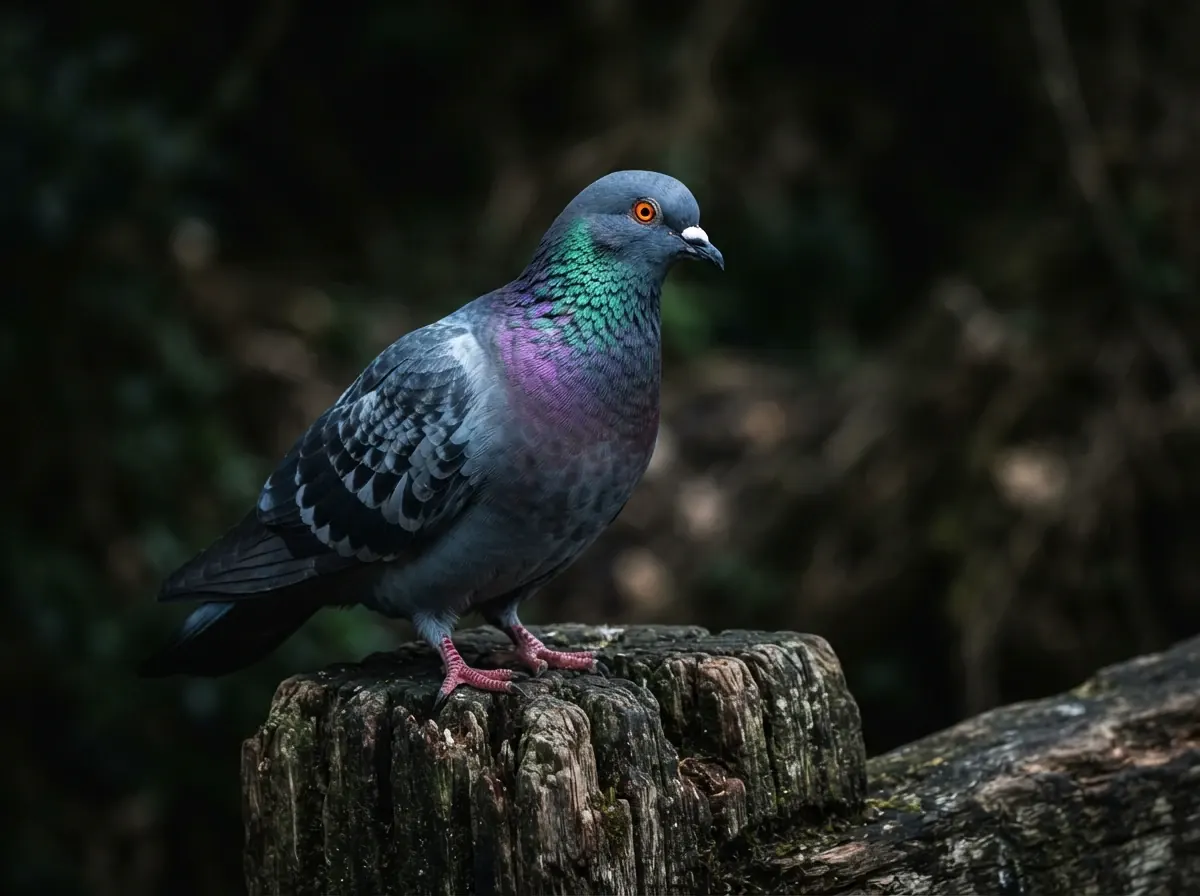
Exclusion. Not poison.
The legal, ethical and most-effective bird-control method in Australia is exclusion — spikes, netting, optical deterrents and roost modification. TCB designs the programme, installs it to commercial-grade standard, and reports on every visit.
Book bird control today.
Send a photo of the roost, the building and the affected signage — we'll come back within one business day with a written quote and the next available visit. Humane methods, fully licensed, written reports on every job.