European wasps are an introduced pest in the ACT, and they’ve made themselves thoroughly at home in Canberra. Through the warmer months they turn up in gardens, roof spaces, compost bins, barbecues and outdoor dining areas. They look a lot like bees at a glance, but their behaviour — aggressive around food and drink, and quick to defend the nest — is enough to take seriously. Spring is the best time to deal with them, while nests are still small.
How to tell a European wasp from a bee
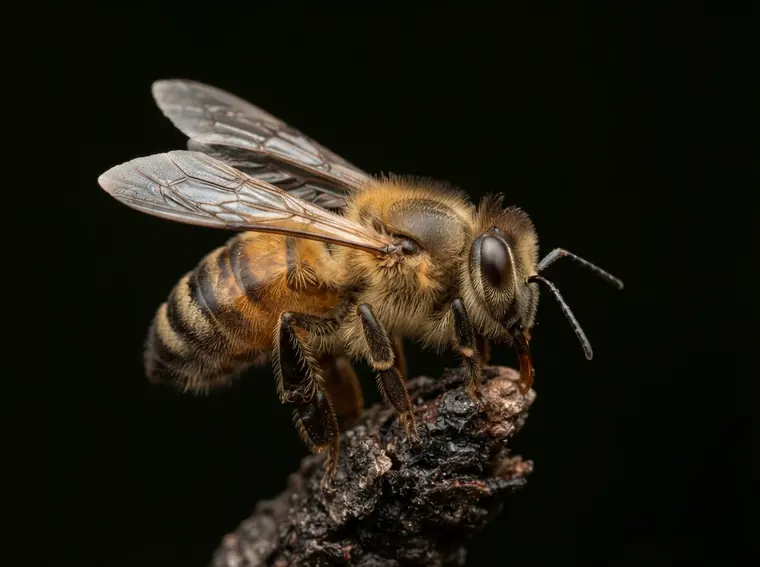
A European wasp is smooth and shiny, bright yellow with black markings, and has a clearly pinched “wasp waist” between the body segments. Its antennae are black. A honey bee is hairier, rounder and a duller golden brown. Behaviour is a good clue too: bees stay busy on flowers, while European wasps scavenge around meat, pet food, fruit and sweet drinks, which is why they gatecrash barbecues and picnics.
If you can’t get a clear look, don’t go closer to find out. Watch from a distance for a steady stream of insects flying in and out of one spot. That traffic is usually how you find the nest.
Where nests hide in Canberra yards and walls
The nest is made of a grey, papery material and is almost always hidden, so you notice the wasps before you see the nest. The usual spots:
Ground nests. Holes in the lawn, garden beds, the base of retaining walls and old animal burrows. Mowing over one is a common way to get stung.
Wall cavities. Gaps in brickwork, weepholes and openings around pipes and cables can lead into a wall cavity where the nest is out of sight.
Roof voids. Damaged vent screens, gaps in roof sheeting and openings under the eaves give wasps access to the ceiling space.
Sheds and garden clutter. Compost heaps, stacked timber, garden netting and little-used sheds are all sheltered places for a queen to start a nest.
A nest can hold thousands of wasps by late summer, even when the entrance looks like a small hole.
Why not to remove a wasp nest yourself
European wasps defend the nest in numbers when it’s disturbed, and unlike honey bees they can sting repeatedly. Allergic reactions, including anaphylaxis, are a genuine medical risk, particularly for anyone who has reacted to a sting before. If someone has trouble breathing or swelling of the face or throat after a sting, call 000.
Common DIY fixes tend to make things worse. Flooding a ground nest or spraying the entrance often just stirs the colony up, and blocking the entrance of a wall or roof nest can send the wasps looking for another way out. Never use petrol or other fuel. The rule of thumb: don’t attempt to remove a suspected European wasp nest yourself.
What professional treatment involves
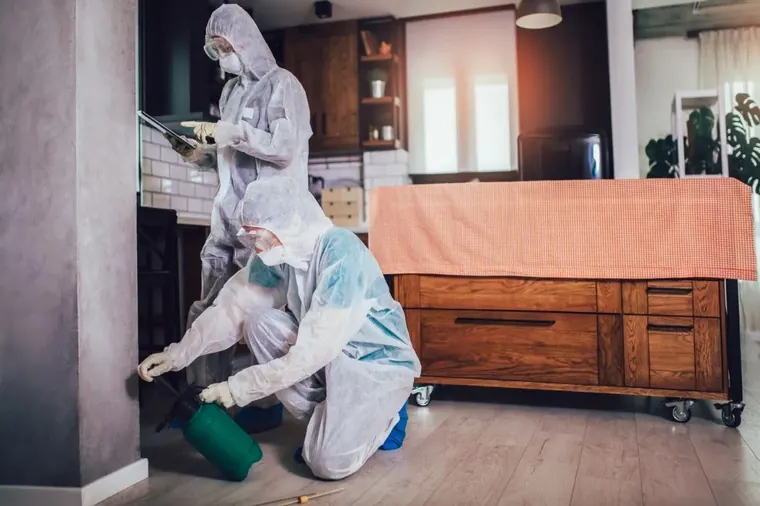
Treatment starts with identifying the insect and finding the nest. For an active nest, that means a controlled application of the right product to the nest entrance, often at dawn or dusk when most of the wasps are home. Protective gear and the right product matter, which is why this is work we never recommend as a DIY job. After treatment, the nest is removed where possible and the entry point sealed.
TCB Pest Control Canberra is family-run and fully licensed and insured. We send the same technician where possible, use family-safe products where appropriate, and finish every visit with a written report explaining what we found and what to watch for over the next few weeks. You can read more about how we handle each species on our bee and wasp removal in Canberra page.
Our fixed online price for wasp & bee treatment is $289 — book online and pick a time that suits you.
Spring is the time to find nests early
European wasp nests build through spring and summer, starting small and growing as the season warms up. Treating early, while a nest is still small and fewer wasps are defending it, is easier than dealing with a large nest later in the season. A walk around the yard in spring, watching for wasps flying in and out of one spot, is worth the few minutes it takes.
Prevention helps too. Seal compost bins tightly. Don’t leave sugary drinks, fruit or pet food out on the deck. Keep rubbish bins clean and closed. Fix damaged vent screens and gaps in roof sheeting, and clear away unused garden materials where a queen might establish a spring nest.
When to call a professional
If you’ve found a nest, or you’re seeing a steady stream of wasps around the house, it’s time to get it treated rather than wait for it to grow. The earlier in the season, the easier the job.
Wasp & bee treatment is a fixed $289 when you book online, backed by our 100% satisfaction guarantee. You’ll get a written report after every visit, and family-safe products where appropriate.
Or call us directly on 02 6105 9771 for a quick conversation.