
Every Canberra autumn, our rodent call-outs jump. Roof rats, house mice and the occasional bush rat look for warmth, food and shelter as the temperature drops, and the wall cavity, subfloor and roof space of an average Canberra home checks every box. The autumn push is predictable enough that experienced locals plan for it — but most households don’t notice the first sign until there’s a dropping on the kitchen bench or a scratching sound in the ceiling at 11pm.
Why rats come inside in autumn
As the overnight temperature drops and the days shorten, the food and shelter maths forces a move. Outside, the seasonal berry and seed cycle winds down and the bush becomes harder to forage. Inside, the ceiling space is dry, warm, and full of the kind of rough textures rodents can use to nest. A roof rat in particular will follow the same path every night — over the fence, along the gutter, into the roof via the weepholes or a damaged eave, and straight to the warmest corner of the ceiling.
The signs worth catching early
Smell, sound, and sign. A musky smell in a closed room or under the house is one of the earliest indicators. Scratching in the ceiling at night is next — usually the wall cavity or the roof, occasionally the subfloor. Droppings are the most direct: small dark pellets along a skirting board, behind the fridge, in the pantry or in a rarely-opened cupboard. Gnaw marks on food packaging, on wiring at the back of a drawer, or on the corner of a door frame confirm it.
Once confirmed, the speed of response matters. A pair of rodents in the right conditions can become a dozen inside a season, and a rodent nest in the roof is a fire risk through damaged wiring as well as a hygiene problem.
What effective autumn treatment looks like
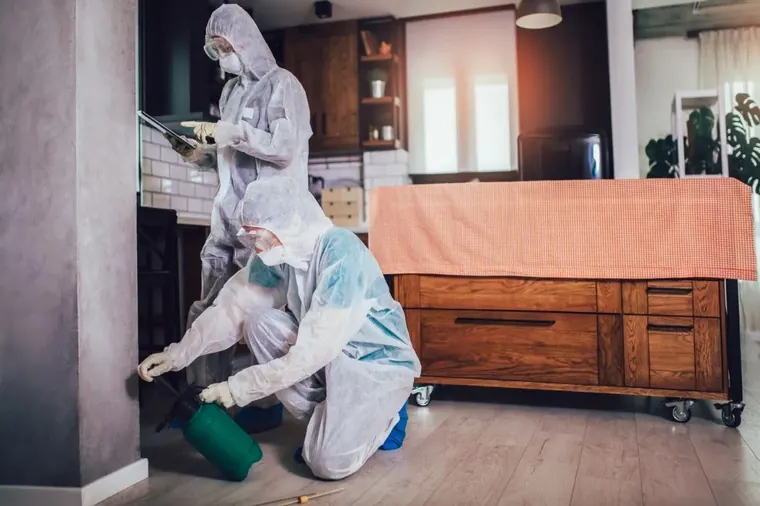
Baiting and trapping inside, exclusion work outside. We use tamper-resistant bait stations in the ceiling and subfloor, traps along the run-lines we’ve identified, and seal the obvious entry points once activity has stopped. The exclusion step is what makes the difference next autumn — a roof rat that can’t get back into the ceiling is a roof rat that goes looking for a different house.
What homeowners can do right now
Keep the garden tidy close to the house — cut back vegetation from the fence line, move the firewood pile away from the back wall, and clear leaf litter from the gutters. Inside, store dry goods in sealed containers and seal the gaps around plumbing and electrical penetrations with mesh or expanding foam. None of this is a substitute for a professional treatment — but it changes how often it’s needed.
When to call a professional
Most Canberra households we meet try the DIY route first — and sometimes that’s enough. Other times the species is medically significant, the infestation is established, or the right product isn’t on the supermarket shelf. The honest answer is: if you’re asking the question, a quick call is the cheapest way to find out.
For a tailored conversation about rodent control in and around your home, our team is on the other end of the phone. Same-week availability across the ACT, family-safe product on every job, and a written report after every visit. We’ll quote first, treat second — never the other way around.
Or call us directly on 02 6105 9771 for a quick conversation.