
Canberra doesn’t look like pest country. The wide streets, the planned suburbs, the bushland that runs straight up to back fences — it reads as organised, well-maintained, almost civic. And yet, for the species that share our homes and gardens, the capital region is one of the most pressurised environments in southeast Australia. That’s not a sales pitch. It’s geography, climate, and the way the city has been built.
The bushland setting
Canberra sits inside a landscape of black cypress pine, eucalyptus woodland and open grassland. Nature reserves, the flanks of Mount Ainslie and Mount Pleasant, and the corridor that runs down to Molonglo River all press directly against suburban blocks. In many suburbs — Curtin, Garran, Aranda, the eastern edge of Belconnen, the river side of Queanbeyan — a short walk to the rear fence takes you into genuine habitat for spiders, ants, rodents, possums and several termite species.
The closer your block sits to that interface, the more frequently you’ll see species moving in: funnel-webs after summer rain, a mouse in the roof when the temperature drops, a trail of ants that arrived overnight through a gap in the slab. Pest pressure in the ACT isn’t a question of whether — it’s a question of when and how much.
A climate that doesn’t let up
Canberra’s seasons push pest activity rather than pausing it. Winters are cold and dry but short; summers are warm to hot overnight; autumn and spring are mild enough to keep most species breeding almost year-round. Many Australian cities get a hard winter that knocks pest numbers back. Canberra rarely does. Roof rats stay active in the ceiling space through July. Cockroaches keep breeding under the fridge in August. European wasp queens emerge from hibernation in September and a working nest is established by November.
That long breeding window means infestations don’t reset the way they do in colder climates. A small problem caught late can be a serious problem inside a season.
What “year-round pressure” means for your home
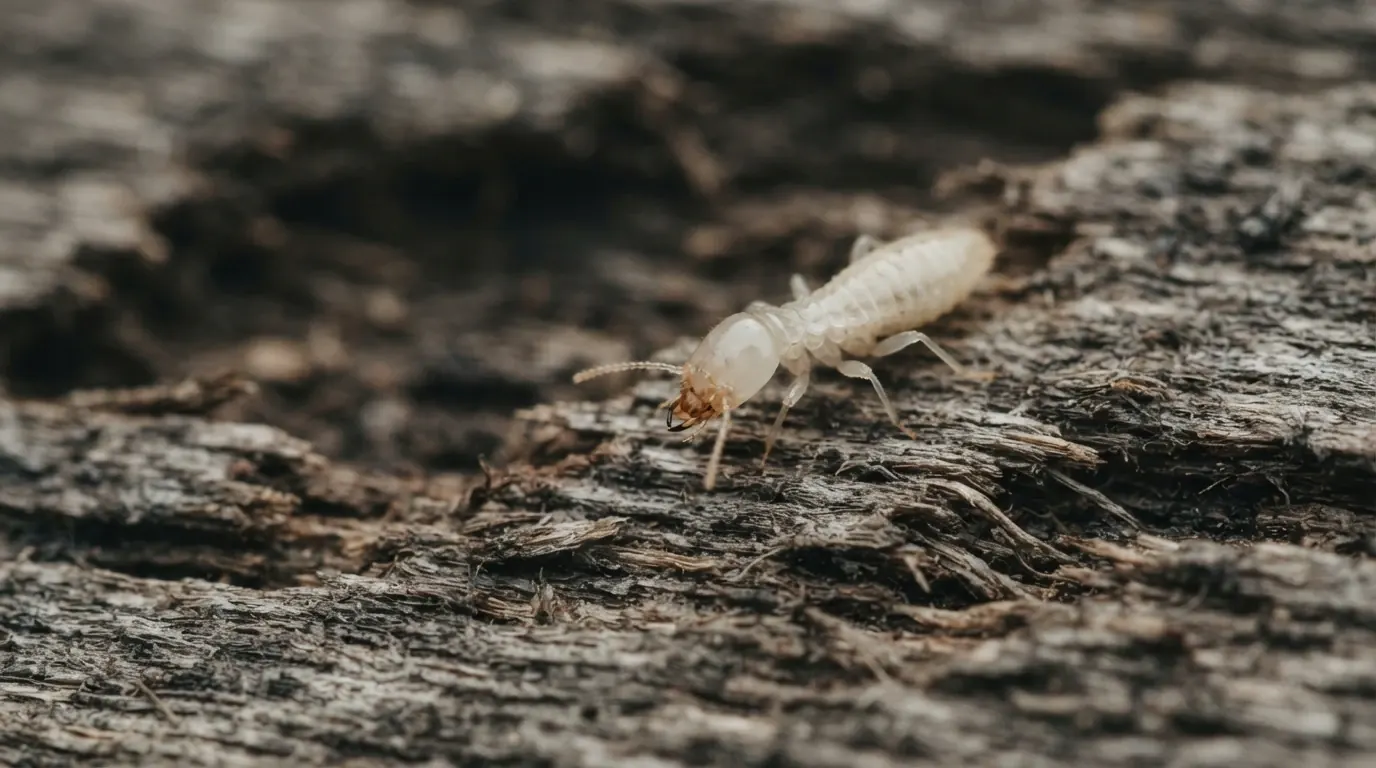
In practical terms, year-round pressure means the standard wait-and-see approach underperforms here. A web on the back porch in November isn’t a one-off — it’s a likely repeat visitor, with neighbours close by. A mouse dropping in the pantry in May isn’t a single lost rodent — it’s the start of an autumn push from outside the wall. And the termite swarm you didn’t catch in February is a colony that’s been feeding since the previous spring. The sooner a treatment plan starts, the less each of those species has a chance to establish.
Why professional treatment is worth it here
Supermarket product has its place — but Canberra’s pest list is dominated by species that need more than a surface spray. Subterranean termites demand accredited in-ground treatment and monitoring. Funnel-webs need careful perimeter and harbourage work rather than a knock-down aerosol. Rats in a roof need baiting and exclusion work that a pet-safe store product simply can’t substitute for. The right plan, by the right person, with the right product — applied at the right time — is the difference between an annual nuisance and an established colony.
When to call a professional
Most Canberra households we meet try the DIY route first — and sometimes that’s enough. Other times the species is medically significant, the infestation is established, or the right product isn’t on the supermarket shelf. The honest answer is: if you’re asking the question, a quick call is the cheapest way to find out.
For a tailored conversation about general pest control in and around your home, our team is on the other end of the phone. Same-week availability across the ACT, family-safe product on every job, and a written report after every visit. We’ll quote first, treat second — never the other way around. If you’re seeing activity that’s out of step with the season, send a photo through — we’ll help you read the signs before they grow.
Or call us directly on 02 6105 9771 for a quick conversation.