European wasps arrived in Australia decades ago and they’ve made themselves thoroughly at home in Canberra. The species is common across the ACT through the warmer months and turns up in gardens, roof spaces, compost bins, barbecues and outdoor dining areas. They look similar to other wasps and bees, but their behaviour — aggressive around food and drink, persistent around nesting sites — is enough to take seriously.
What a European wasp looks like
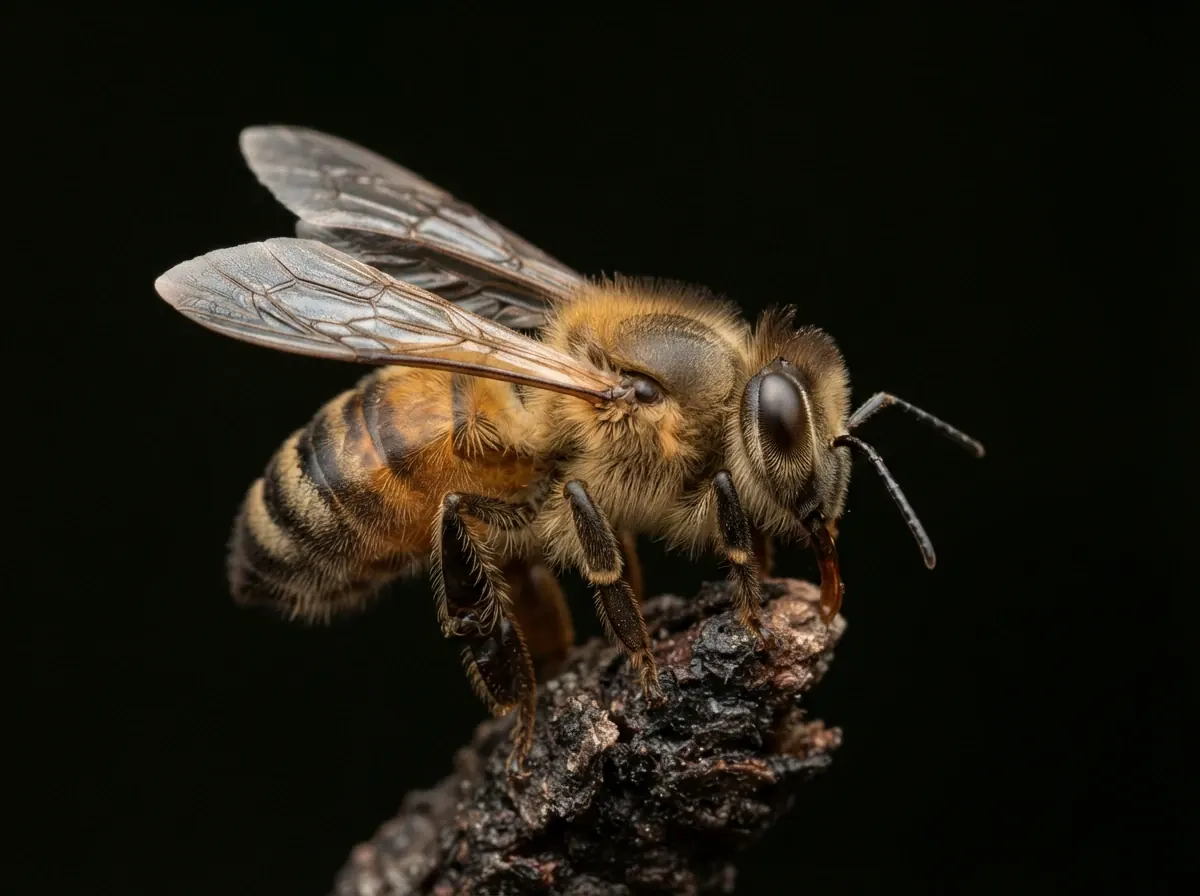
The body is shorter and stouter than a native paper wasp, and bright yellow with black markings. The legs are noticeably yellow and they hang in flight when foraging — a behaviour honeybees don’t show. The nest is paper-mâché-like, often hidden in the ground, in a wall cavity, in the ceiling space, or tucked into compost heaps and garden netting. A mature nest holds thousands of adults by late summer and can be re-used across seasons if it’s not removed.
Why the danger is real
European wasps sting multiple times, don’t lose their stinger, and respond in numbers when a nest is disturbed. Allergic reactions — including anaphylaxis — are a genuine medical risk, particularly for children, older residents and anyone who’s been stung previously. Most call-outs we do for wasps are at the moment the family has noticed activity close to a play area, a pet zone, or a deck they use daily. The rule of thumb is: never attempt to remove a suspected European wasp nest yourself.
Prevention that actually works
A lot of European wasp prevention is keeping the environment less hospitable. Seal compost bins tightly. Don’t leave sugary drinks, fruit, or pet food out on the deck. Keep rubbish bins clean and closed. Block obvious entry points into roof spaces with mesh — European wasps will use weepholes, damaged vent screens, and gaps in roof sheeting to access the ceiling void. Trim back dense vegetation where activity has been noticed and clear away unused garden materials where a queen might establish a spring nest.
What professional treatment looks like
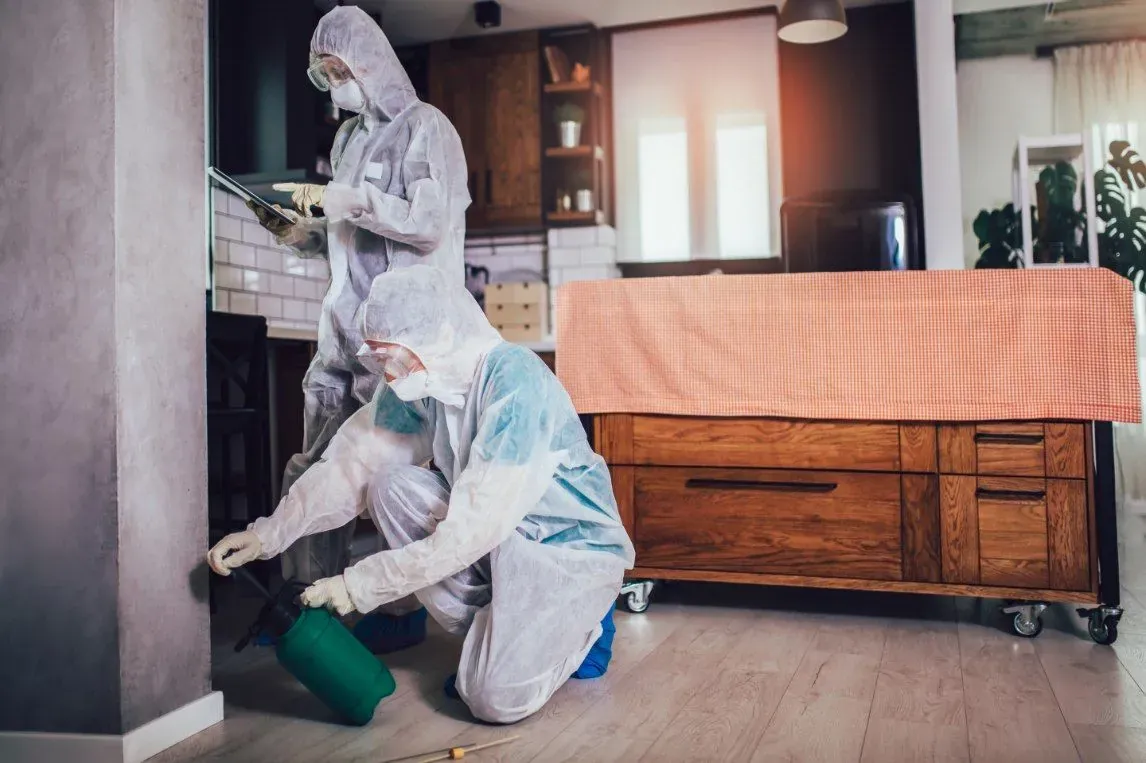
For an established or active nest, treatment means a controlled application to the entry point, often at dawn or dusk when activity is concentrated. Protective gear and the right product matter — this is the kind of work we never recommend as a DIY job. After treatment, the nest is removed where possible and the entry point sealed. We close out the visit with a written report and explain what to watch for over the next few weeks.
When to call a professional
Most Canberra households we meet try the DIY route first — and sometimes that’s enough. Other times the species is medically significant, the infestation is established, or the right product isn’t on the supermarket shelf. The honest answer is: if you’re asking the question, a quick call is the cheapest way to find out.
For a tailored conversation about wasp & bee removal in and around your home, our team is on the other end of the phone. Same-week availability across the ACT, family-safe product on every job, and a written report after every visit. We’ll quote first, treat second — never the other way around.
Or call us directly on 02 6105 9771 for a quick conversation.