Flick the kitchen light on at night and see something scurry for the skirting board, and the instinct is to lump it in as "a cockroach" and reach for whatever's under the sink. But the two species that turn up in Canberra homes behave completely differently — one lives and breeds inside your walls permanently, the other is usually just passing through from outside. Knowing which one you've got changes where you should be looking, and what actually works.
German vs American Cockroach: Key Differences
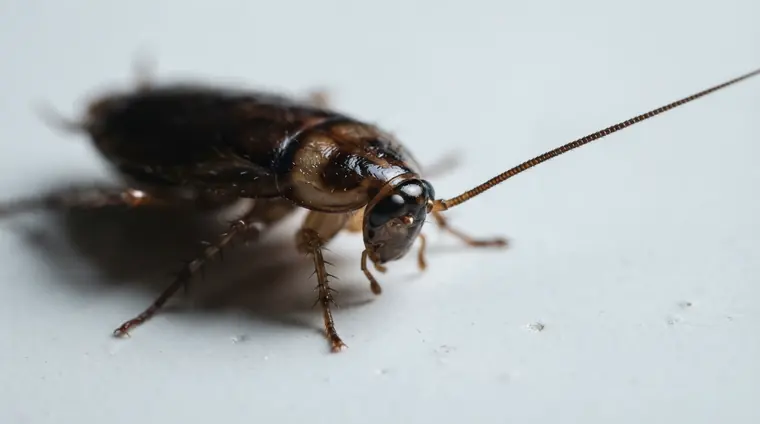
The German cockroach is small — around 1.5cm — light brown to tan, with two dark parallel stripes running down behind its head. It's the one you'll most often see near the stove, the toaster, or the gap behind the fridge, because it needs warmth and moisture close by and rarely strays far from a reliable food source. The American cockroach is a different animal entirely: reddish-brown, up to 4cm long, capable of short clumsy flights, and far more likely to be found near drains, in the subfloor, or in a roof void than in a cupboard. It's the one that occasionally turns up in a bathroom or laundry after coming up through plumbing rather than living there day to day.
Why the Species Changes the Treatment
A German cockroach infestation is an indoor breeding problem. A single female carries her egg case until just before it hatches, and each case can produce up to 40 nymphs — which is how a handful of sightings can turn into a serious kitchen infestation within a couple of months. Because the whole population usually lives within a few metres of where you're seeing them, an effective treatment targets the harbourage directly — gel baiting behind appliances and inside cupboard hinges and corners — rather than a general surface spray, which some German cockroach populations have also built up resistance to over time.
An American cockroach problem is usually an entry-point problem. The population isn't living in your kitchen — it's coming in from drains, sewer connections, or a damp subfloor, and treating the roach you can see does nothing about the ones still using that route. Sealing gaps, treating drains and subfloor access points, and addressing the moisture source behind the activity is what actually stops it recurring.
Early Warning Signs Worth Acting On
Both species leave clues before a population becomes obvious. Small, dark droppings that resemble ground pepper or coffee grounds along skirting boards or in cupboard corners are one of the earliest signs, often showing up before you ever see a live cockroach. A persistent musty, oily smell in a cupboard or pantry — particularly a German cockroach sign — is another. Finding a brown, capsule-shaped egg case (an ootheca) tucked into a corner is a reliable sign that breeding is already underway, not just starting.
When to call a professional
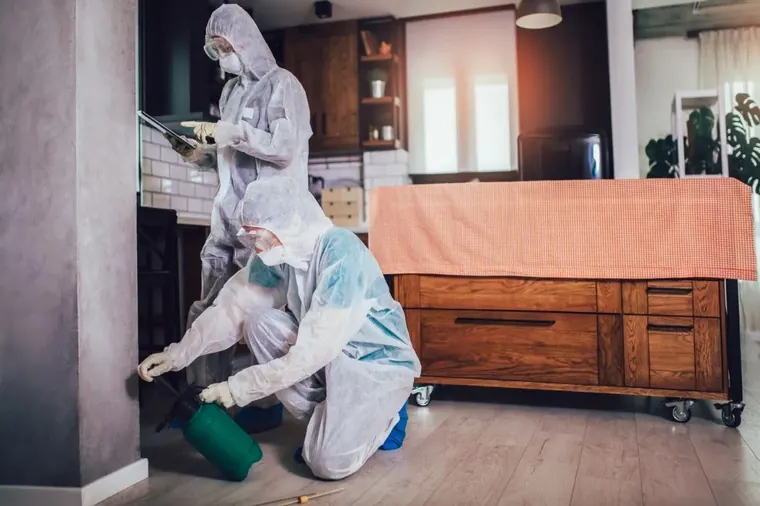
Most Canberra households we meet try the DIY route first — and sometimes that's enough. Other times the population is already established behind the wall or entering through a drain a supermarket spray simply can't reach. The honest answer is: if you're asking the question, a quick call is the cheapest way to find out.
For a tailored conversation about cockroach control in and around your home, our team is on the other end of the phone. Same-week availability across the ACT, family-safe product on every job, and a written report after every visit. We'll quote first, treat second — never the other way around.
Or call us directly on 02 6105 9771 for a quick conversation.