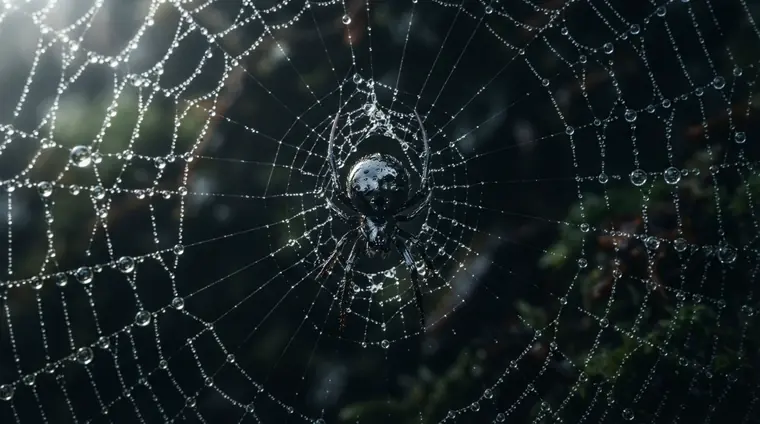

A Canberra winter doesn't kill pest activity off — it just moves it indoors. Once the overnight temperature drops, rodents, spiders and cockroaches all start looking for the same thing your household is: somewhere warm, dry and undisturbed. That's usually your roof void, your subfloor, or the gap behind the fridge. This checklist walks through where to look, room by room, and what each sign actually means.
Why Winter Doesn't Slow Pests Down in Canberra
Cold weather doesn't wipe pest populations out — it concentrates them. Roof rats that spent autumn foraging in the garden move into ceiling insulation once the nights get properly cold, and a roof void with your home's heating running below it is one of the warmest, most stable spots on the block. Cockroaches follow the same logic on a smaller scale, clustering around hot water systems, dishwasher motors and the back of the fridge rather than braving the cold outside. Spiders that spent summer in the garden shift into garages, sheds and eaves — sheltered spaces that still hold onto the day's warmth. Underground, it's a different story again: termites barely notice the season change at all, since soil insulates their nest from surface temperature swings, and colonies keep feeding on timber through the coldest months of the year.
A Room-by-Room Winter Checklist
Roof void and eaves. If you can safely access the manhole, look for droppings, gnawed insulation or dark rub marks along the beams — all signs of an active rodent population overhead. From the ground, check eaves and gutter lines for fresh spider webbing, particularly around outdoor lighting that draws insects at night.
Kitchen and laundry. Pull the fridge and washing machine out from the wall if you can, and look behind and underneath for small, dark droppings resembling ground coffee — the telltale sign of German cockroaches sheltering near a heat and moisture source. Check under the sink for gaps around pipe penetrations, a common entry point for both cockroaches and mice.
Garage, shed and firewood stack. This is prime winter spider territory, and if you're bringing firewood inside for the fireplace, always check each piece before you carry it in — timber stacks are also where the odd funnel-web or mouse spider turns up after being carried in from further afield. Give stacked boxes and stored items a shake before moving them.
Subfloor and foundation. Termite mud tubes running up a foundation wall or pier, and any timber that sounds hollow when tapped, are worth acting on immediately rather than waiting for a routine inspection. If your property backs onto bushland or a nature reserve — common across suburbs like Aranda, Chapman, Curtin and the eastern edge of Belconnen — this is worth checking every winter regardless of whether you've seen anything.
When a Checklist Isn't Enough
A walk-through like this is genuinely useful for catching problems early, but it has a limit: it tells you something is present, not how established it is or where the rest of the population is hiding. Droppings in the roof void could mean one mouse passing through, or it could mean a breeding colony that's been there since autumn. Gnawing on cabling, an odour that doesn't clear, or repeated sightings at the same spot are the point where a proper inspection — rather than another look around — is the sensible next step.
When to call a professional
Most Canberra households we meet try the DIY route first — and sometimes that's enough. Other times the population is already established behind the wall or under the floor, and the right product simply isn't on the supermarket shelf. The honest answer is: if you're asking the question, a quick call is the cheapest way to find out.
For a tailored conversation about winter pest control in and around your home, our team is on the other end of the phone. Same-week availability across the ACT, family-safe product on every job, and a written report after every visit. We'll quote first, treat second — never the other way around.
Or call us directly on 02 6105 9771 for a quick conversation.