
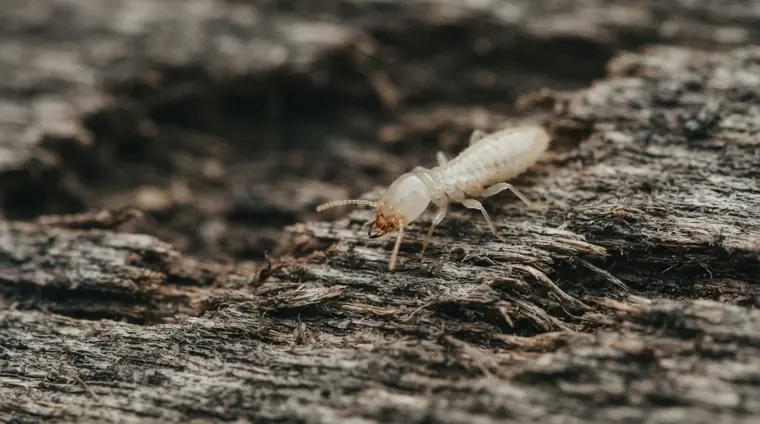
Most Canberra property contracts already include a building and pest inspection condition, and most buyers treat it as one box to tick rather than two very different jobs. A building inspector and a timber pest inspector are looking for completely different things, and skipping or shortcutting the second one is how termite damage ends up discovered after settlement rather than before it.
What a Termite Inspection Actually Covers (That a Building Inspection Doesn't)
A standard building inspection assesses structural condition and visible defects — cracking, moisture damage, roofing, wiring and the like. A timber pest inspection, carried out against the Australian Standard for timber pest inspections (AS 4349.3), is a separate, specialised assessment focused entirely on termite activity, termite damage and the conditions that make a property attractive to termites in the first place. That means checking the subfloor for mud tubes on piers and foundation walls, tapping accessible timber to listen for hollow sections, inspecting the roof void for damage or live activity, and looking at external conditions — garden beds banked up against the damp course, leaking taps near the foundation, timber stored against the house — that create the moisture and access termites need.
Why Canberra Buyers Shouldn't Skip It
The ACT's suburban layout puts a lot of housing stock directly against bushland, nature reserve and open grassland — the exact habitat where subterranean termite colonies establish. Buyers looking in suburbs along that interface, from Curtin and Garran to the eastern edge of Belconnen and blocks backing onto the Molonglo corridor, are buying closer to active termite pressure than the tidy street frontage suggests. Termite damage is also frequently invisible from a casual walk-through — it hides behind plaster, under carpet, and inside wall cavities — which is exactly why the inspection needs someone trained to look in the right places, not just look. Against the cost of a property purchase, and against the cost of remediation if a colony is found after settlement, the inspection itself is a modest, one-off expense.
What Happens After the Report
If the inspection turns up active termite activity or existing damage, that's information you want before you're contractually committed, not after — it feeds directly into price negotiation, further investigation, or walking away from the deal entirely. If the report comes back clear, that's not the end of the story either: a clear inspection is a point-in-time result, and given how much of Canberra sits against termite habitat, most timber pest professionals recommend an annual monitoring inspection going forward regardless of what the pre-purchase report found.
When to call a professional
Most Canberra buyers we meet already know they need a pest inspection — the question is usually timing, and making sure it happens before the cooling-off period runs out. The honest answer is: if you're asking the question, a quick call is the cheapest way to find out what's involved.
For a tailored conversation about a pre-purchase termite inspection anywhere in the ACT, our team is on the other end of the phone. Same-week availability, a full AS 4349.3 written report, and a family-run team who'll walk you through exactly what was found. We'll quote first, inspect second — never the other way around.
Or call us directly on 02 6105 9771 for a quick conversation.