
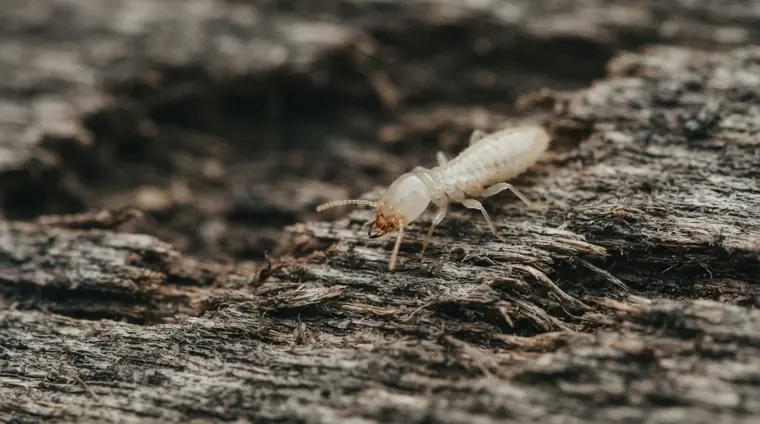
Subterranean termites are the single most expensive pest a Canberra homeowner can ignore. They work silently, mostly out of sight, and the visible damage on the surface arrives long after the colony has been feeding. The good news is that the same biology that makes termites a serious risk also makes them predictable — if you know what to look for and you have someone checking the right places on the right interval.
The warning signs worth knowing
Live termites aren’t the first sign most homeowners see. By the time a swarm appears inside the home, the colony has typically been established for a season or more. Earlier indicators are quieter: mud shelter tubes running up the outside of piers and stumps, blistered paint on door frames where moisture sits behind the timber, and fine sawdust-like droppings below a damaged fence post or deck board. Clicking sounds coming from inside the wall on a still night are also worth taking seriously — that’s soldier termites banging their heads against the timber as a warning to the rest of the colony.
Why annual inspections matter
The biology is unforgiving. A single subterranean colony can affect a large radius around the nest, and the in-ground gallery structure is invisible from a single exterior inspection. An accredited technician reading the right indicators on an annual cycle catches pressure before it becomes damage. For a high-risk block — mature garden, established trees, fill soil on a building site, decorative timber close to the slab — we recommend a yearly inspection at minimum, and a treatment plan if the readings warrant it.
An accredited inspection also produces a documented record that matters at sale time and for insurance purposes. Pre-purchase timber pest inspections have become a standing part of the conveyancing process in the ACT for good reason.
What TCB recommends
For a healthy block, an annual inspection with written report. For a block where pressure has been confirmed or where the building profile puts the property at higher risk, an in-ground treatment using an accredited termiticide — which we apply through a low-disruption process around the perimeter — followed by ongoing annual monitoring. Qualifying work covered by a written warranty — full terms available on quote.
Outside of treatment, the everyday habits that help: keep the garden bed clear of the slab edge, store firewood well away from the house, fix leaking taps and AC condensate drains quickly, and avoid stacking building materials or stored goods against the external wall for extended periods. None of these replace a professional inspection — but they all reduce the surface area a colony can work.
The cost of waiting
Termite damage isn’t covered by standard home insurance in the ACT — repair and treatment costs fall to the owner. That makes the inspection cycle the most cost-effective line item in any long-term home maintenance plan. If the last professional reading of your property is more than twelve months ago, now is the right time to book.
When to call a professional
Most Canberra households we meet try the DIY route first — and sometimes that’s enough. Other times the species is medically significant, the infestation is established, or the right product isn’t on the supermarket shelf. The honest answer is: if you’re asking the question, a quick call is the cheapest way to find out.
For a tailored conversation about termite treatment in and around your home, our team is on the other end of the phone. Same-week availability across the ACT, family-safe product on every job, and a written report after every visit. We’ll quote first, treat second — never the other way around.
Or call us directly on 02 6105 9771 for a quick conversation.