
Flea treatment for Canberra homes.
Flea bites around the ankles. The dog scratching — then scratching more. Cat fleas moving through the carpet. Once fleas establish, the host animal is half the problem and the home environment is the other half. TCB's flea service treats the pet-host coordination, the carpet and the soft furnishings — with a written report and a follow-up check inside the guarantee window.
The signs that point to a flea infestation.
Ankle bites
Small red bites in clusters, often around the ankles and lower legs, sometimes in a line. Most people mistake them for mosquito bites initially.
Pet scratching
Increased scratching and grooming — particularly around the base of the tail, the groin and the belly. Visible black flecks in the coat (flea dirt).
Carpet and rug activity
Fleas moving across the floor when foot traffic disturbs the pile — particularly around pet bedding and the path between the entrance and the pet's sleeping spot.
Eggs in soft furnishings
Tiny white oval eggs in carpet fibres, rugs, soft furnishings and along the seam of the pet bed.
Same team.
Written report.
Same technician where possible, a written report after every visit, and family-safe product used throughout — that's the standard on every job, not just the ones we quote carefully.
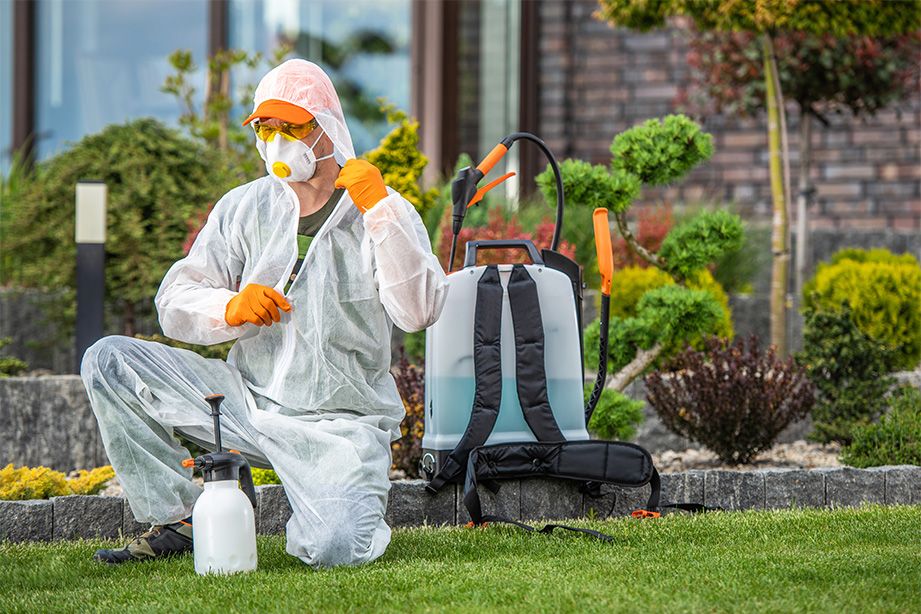
Four steps from inspection to a flea-free home.
Every flea visit follows the same documented process — pet-host coordination, targeted carpet and skirting treatment, and a scheduled follow-up inside the guarantee window. Same technician where possible, written report on every job.
Inspection
Walk the property with the host animal's routine in mind. We focus on the pet's resting areas, the carpet along the routine path and any soft furnishings the pet accesses. We tell you what we saw before any product goes down.
Carpet and skirting treatment
Low-toxicity residual applied to all carpeted areas, the skirting, soft furnishings and known pet-route zones. The pet must be out of the home during treatment and overnight — clear re-entry timeline on every quote.
Pet-host coordination
We can coordinate with your vet on the host-animal side. Most infestations clear best when both the pet is treated (vet-supplied product) and the home environment is treated simultaneously.
Follow-up check
A scheduled revisit inside the guarantee window. Most flea treatments need a second visit at 10–14 days because eggs and pupae survive the first round.
Why DIY flea treatments often don't hold.
Spray only kills adults
Adult fleas are 5% of the population. Eggs, larvae and pupae in the carpet need a residual treatment and a follow-up visit.
Pet treatment is only half the answer
If the pet isn't treated at the same time, the infestation rebounds within weeks. We coordinate with your vet on this side.
Pupae are the sleeper cycle
Flea pupae can sit dormant for months. The first treatment clears what's active — the follow-up catches the next wave.
Carpet isn't the only harbourage
Rugs, soft furnishings, the pet bed, the car seat, the linen cupboard. We treat the whole habitat, not just the obvious surface.
Six things you can do to keep fleas from coming back.
Regular pet treatment
Use a vet-supplied flea preventative on the host animal year-round — not just in summer.
Wash pet bedding weekly
Hot wash weekly. Vacuum the surrounding carpet and skirting as part of the same routine.
Vacuum daily during an infestation
Aggressive vacuuming during an active infestation lifts eggs and larvae. Empty the vacuum canister outside immediately.
Treat the full home, not just one room
Fleas travel with the pet. Treating only the room where the pet sleeps leaves a reservoir.
Keep the lawn short
Long, shady lawn around dog paths is the outdoor reservoir. Short grass and full sun reduces outdoor pressure.
Re-treat at 10–14 days
The follow-up visit catches the next wave of adults emerging from pupae. Skip this and you'll start again.
The questions Canberra households ask first.
Do I need to treat the pet too?
Yes. Vet-supplied flea treatment on the host animal is part of the answer. We can coordinate timing with your vet — most infestations clear best when pet and home are treated together.
Do I have to leave the house during treatment?
Yes. The pet must be out of the home during treatment and overnight. People return once surfaces are dry — usually the next day. Re-entry times are on every quote.
How quickly will the fleas disappear?
Adult activity usually drops within 24–48 hours. Full clearance takes 10–14 days because of the pupal stage — this is why the follow-up visit is built into the service.
Will they come back?
Long-term prevention is about regular pet treatment and routine vacuuming. The follow-up visit inside the guarantee window catches the next wave.
How much does flea control cost in Canberra?
Each job is priced individually based on property size and the number of rooms. We send a written quote before any work starts.
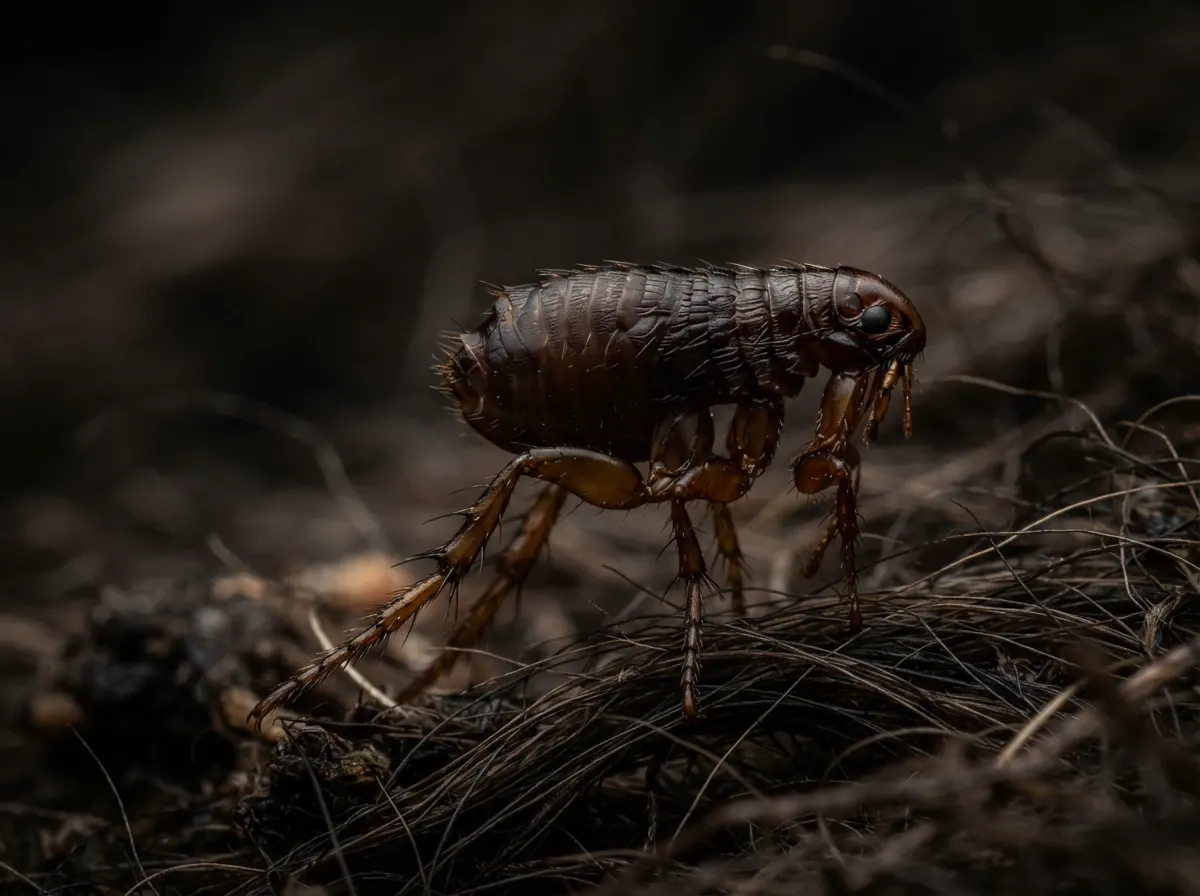
Pet and home —
both sides done.
A flea infestation is half pet and half property. We treat the carpet, the skirting and the soft furnishings — and we coordinate the timing with your vet on the host side. One written report, one follow-up visit, one predictable result.
Book flea treatment
today.
Tell us about your property and the pet situation. We'll get back within one business day with a written quote, the next available visit, and re-entry times in plain English. Pet and home — both sides covered, one predictable invoice.