
Stored-product pests, treated at the source.
Indian meal moth in the flour bin. Grain weevil in the rice silo. Carpet beetle larvae in wool, stored textiles and pantry corners. Warehouse moths in the cardboard stock. Stored-product pests live in the product — they enter with raw materials, lay eggs in stored food, and travel on pallets and packaging into the next facility. TCB's stored-product service is built around HACCP-aware inspection, source identification, and an integrated monitoring programme. Audit-ready written reports on every visit.
The pests that live in stored food and product.
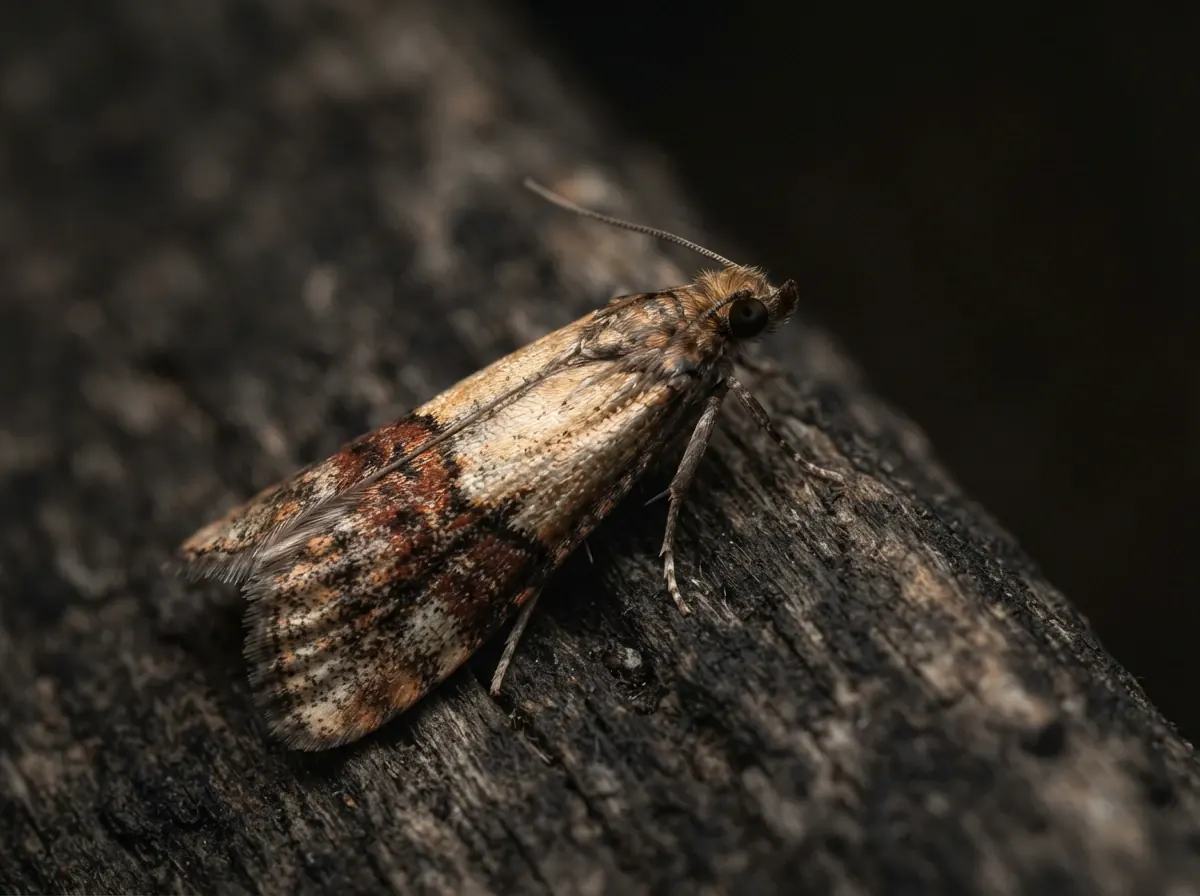
Indian meal moth
Small grey moths in the kitchen or store room — webbing in flour, cereals, dried fruit and pet food.
Grain weevil
The small weevil that bores into stored grain, rice and pasta — most common in bulk storage and food prep.
Warehouse moth
Larger brown moths found in warehouse and retail environments — particularly in bird seed and dry pet food.
Flour beetle
Red and confused flour beetles in flour and cereal stocks — active in bakeries and food manufacturing.
Cheese skipper
Skipper fly that breeds in cheese, dried meat and moist organic residue — more common in hospitality than residential.
Larder beetle
Dermestid beetle that attacks dried meat, cheese, fur and feathers — found in pet food and seed storage.
Same team.
Written report.
Fully licensed, fully insured, and locally based — our technicians live and work across the ACT, so they know what's normal for the season and what needs a second look.
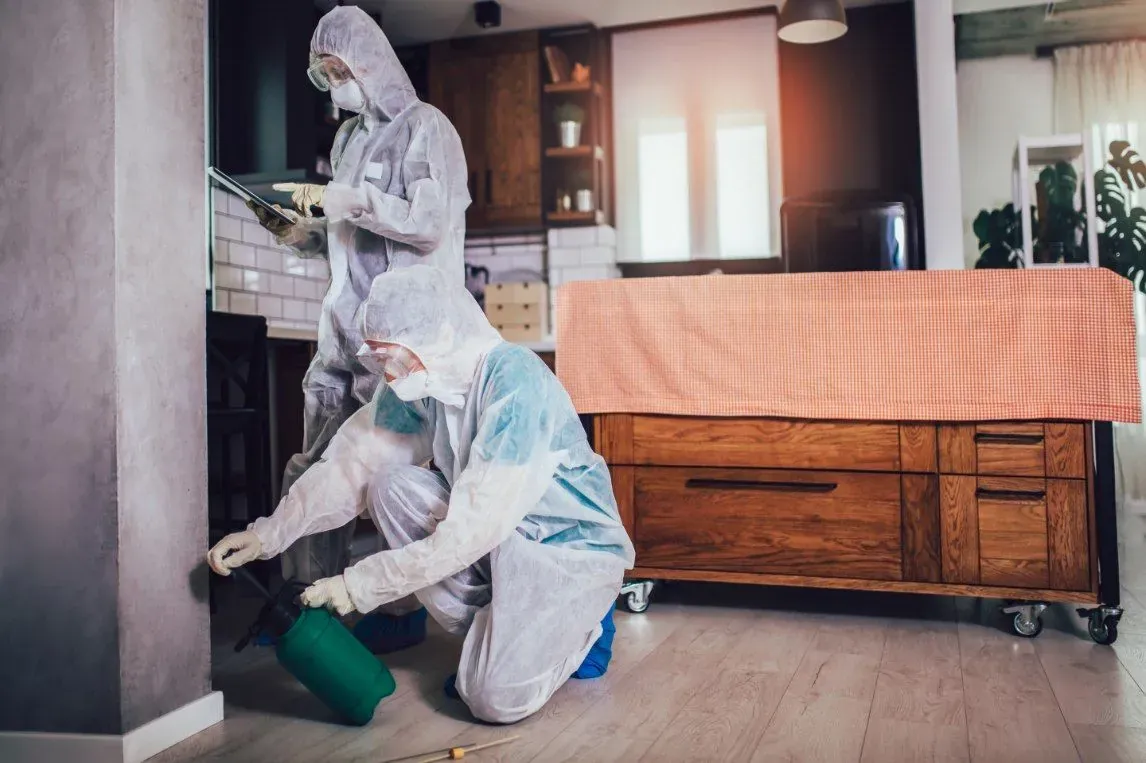
Five steps from inspection to insect-free product.
No surprises. Every stored-product visit follows the same documented process — what was found, what was treated, what was quarantined, and what the monitoring data shows next. Built around HACCP-aware service and the paperwork your auditor will actually accept.
HACCP-aware inspection
We walk the receiving area, dry store, cold store, prep area and dispatch. We identify species by location — Indian meal moth near grain, weevils in bulk product, larder beetles in pet food. Inspection records issued in writing on the same day.
Source identification
Traceback to the source — pallet, supplier, container, raw material. Most stored-product infestations arrive on incoming stock; identifying the source prevents reinfestation.
Treatment of infested stock
Quarantine and disposal of infested product under your waste-stream protocol. We don't dispose of your stock — we tell you what we've identified and recommend the disposal path.
Monitoring programme
Pheromone traps at strategic points across the facility, reviewed on each visit. Trap counts tracked visit-to-visit so trends show up before the next infestation.
Written report
Every visit closes with a typed report — what was found, what was treated, what was discarded, what trends we see in the trap counts. Audit-ready.
Operators we serve across the ACT.
Food manufacturers
Small to medium-sized food and beverage manufacturers — flour mills, bakeries, herbal product makers, pet food makers.
Hospitality venues
Restaurants, cafés, hotels, pubs — particularly venues with dry-goods storage on site.
Warehouses & logistics
Distribution centres and 3PL operators — particularly those handling food-grade product, bird seed and pet food.
Retail food premises
Independent grocery, bulk-food and health-food retailers — high-volume dry-goods handling.
Why flypaper isn't enough.
Most infestations arrive on incoming stock
Stored-product pests typically enter the facility via the supply chain, not from the outside environment. Treating the receiving area is the leverage point.
Pheromone traps reveal trends
Trap counts tell you the size and direction of the problem — long before visible activity. Used weekly across the facility, they form an early-warning system.
Species identification determines the answer
Indian meal moth and warehouse moth are different pests with different biology. Treating them the same way leaves the wrong one quietly building up.
Quarantine matters
The right disposal path keeps the infestation out of waste streams that re-enter the supply chain. We coordinate with your waste contractor on this.
The questions commercial operators ask first.
Is this a one-off treatment or an ongoing programme?
We recommend an ongoing monitoring programme with trap counts reviewed on each visit. Initial intensive treatment is followed by monthly or quarterly check-ins depending on the operator.
Do you dispose of infested product?
We identify and quarantine it. Disposal is on your side under your waste-stream protocol. We provide written treatment records and waste-disposal recommendations.
Is the work HACCP-compliant?
Yes. Service timing, product selection and reporting formats align with HACCP plans for most operators. We can adapt to your specific food-safety framework.
How much does it cost?
Commercial stored-product pest control is quoted per site after inspection — facility size, scope and the affected product type all affect the price. We send a written quote before any work starts.
Will the auditor accept the paperwork?
Yes. Our written reports include species identification, product used, locations treated, findings, and trap counts from the monitoring programme. Most food-safety auditors recognise the format.
Source identified.
Stock protected.
HACCP-aware inspection, source identification at the receiving dock, pheromone-trap monitoring across the facility, and audit-ready written reporting on every visit. Built for the operators who can't afford a recall.
Book a stored-product audit today.
Tell us about the facility and what you're seeing. We'll come back within one business day with a written quote for inspection, treatment and the monitoring programme. HACCP-aware service and audit-ready paperwork on every visit.